Darshniks

Warrior Philosophies

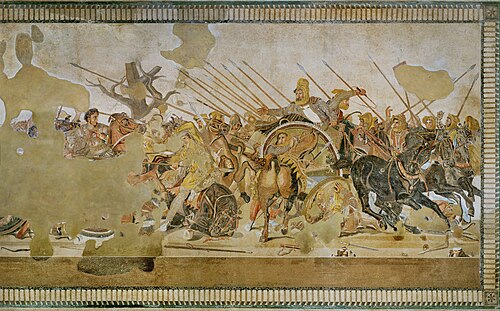
The Alexander Mosaic from Pompeii

What the battlefield teaches

War is the oldest test of courage, discipline and judgment, and some warriors became philosophers of it. Three strategists left books still read today; five commanders left lives that philosophers have argued over ever since. This page asks what each of them can teach someone who will never lead an army.

The strategists who wrote

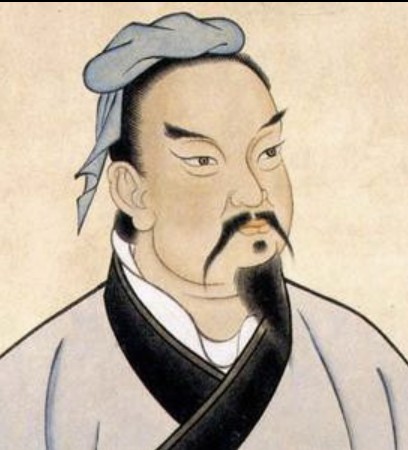
Sun Tzu

The Art of War: win without fighting, and know yourself as well as your enemy.

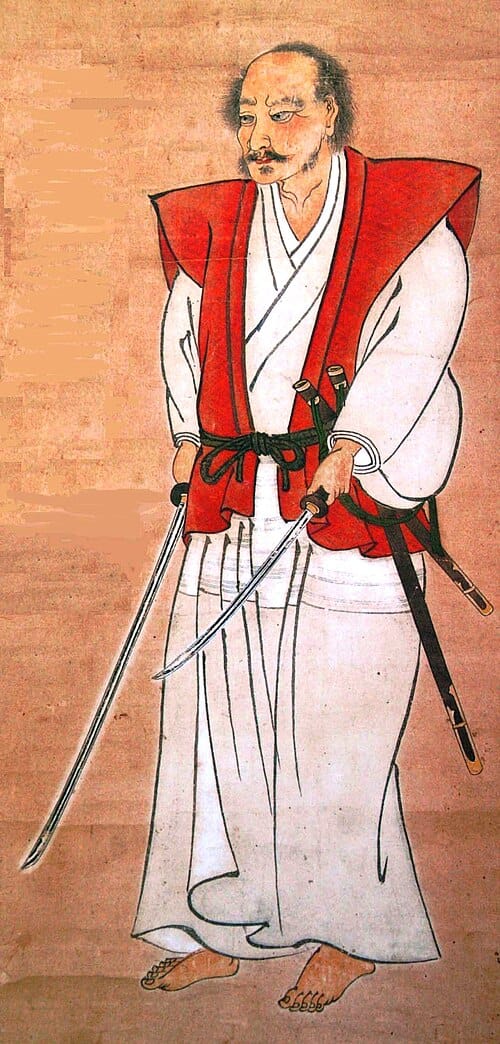
Miyamoto Musashi

The Book of Five Rings and the Way of walking alone: a swordsman’s philosophy of discipline.

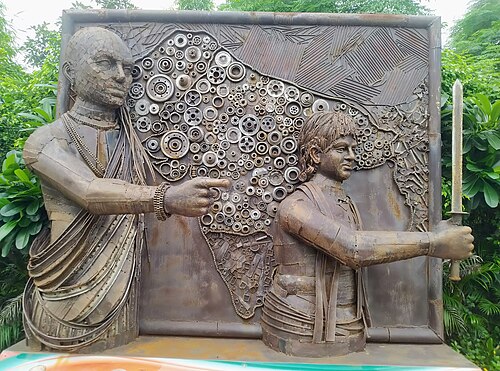
Chanakya

The Arthashastra: statecraft, power and the duties of a king.

“Supreme excellence consists in breaking the enemy’s resistance without fighting.”Sun Tzu, The Art of War 3.2 (tr. Lionel Giles, 1910)

Five commanders, five lessons

Leonidas of Sparta

Leonidas of Sparta

died 480 BCE

In 480 BCE the Spartan king held the narrow pass of Thermopylae against the vast army of the Persian king Xerxes. Betrayed by a mountain path that let the Persians surround him, he sent most of the Greek allies away and stayed with his three hundred Spartans and a few hundred others, fighting to the last.

Plutarch reports that when Xerxes demanded the Greeks hand over their weapons, Leonidas replied molon labe: “come and take them”. The epitaph Herodotus records for the dead is famous for its plainness: tell the Spartans that here we lie, obedient to their laws (Histories 7.228).

The lesson: duty can matter more than survival. Seneca held up Leonidas as a model of facing death calmly, and the Stoics after him asked whether we, too, would stand firm when it costs something.

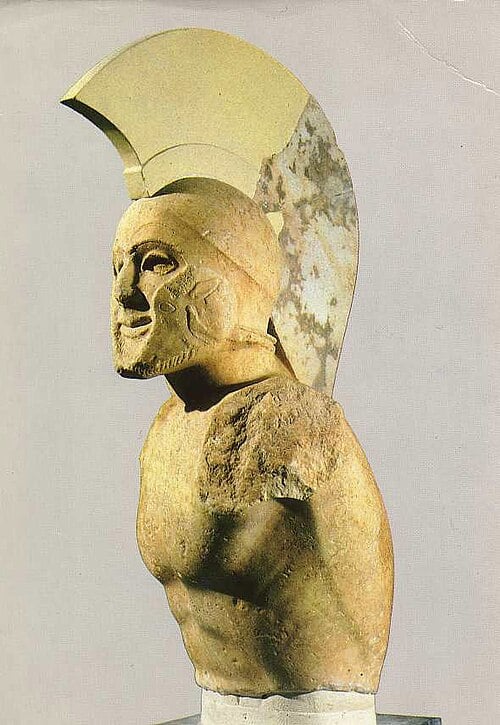
Marble hoplite from Sparta, traditionally identified as Leonidas — de:Benutzer:Ticinese, CC BY-SA 3.0
Alexander the Great

Alexander the Great

356–323 BCE

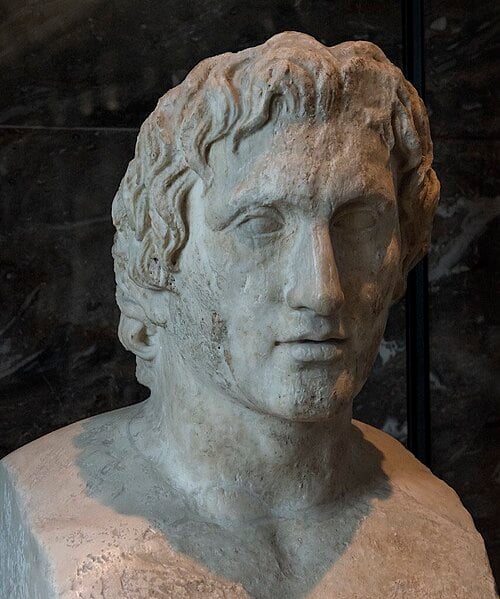
Tutored as a boy by Aristotle, Alexander became king of Macedon at twenty, conquered the Persian empire and marched as far as the Indus in barely a decade. He founded cities named after himself from Egypt to Afghanistan, and died in Babylon at thirty-two, his empire splitting among his generals almost at once.

Ancient writers loved to set him beside the philosopher Diogenes, who, offered any favour by the world's most powerful man, asked him only to stand out of the sun (see Philosophical Stories).

The lesson: ambition without limit can conquer the world and still not know when it has enough. Aristotle taught that virtue lies in the mean between extremes; his most famous pupil lived at the extreme.

Bust of Alexander after the sculptor Lysippos — public domain

Hannibal Barca

Hannibal Barca

247–c. 183 BCE

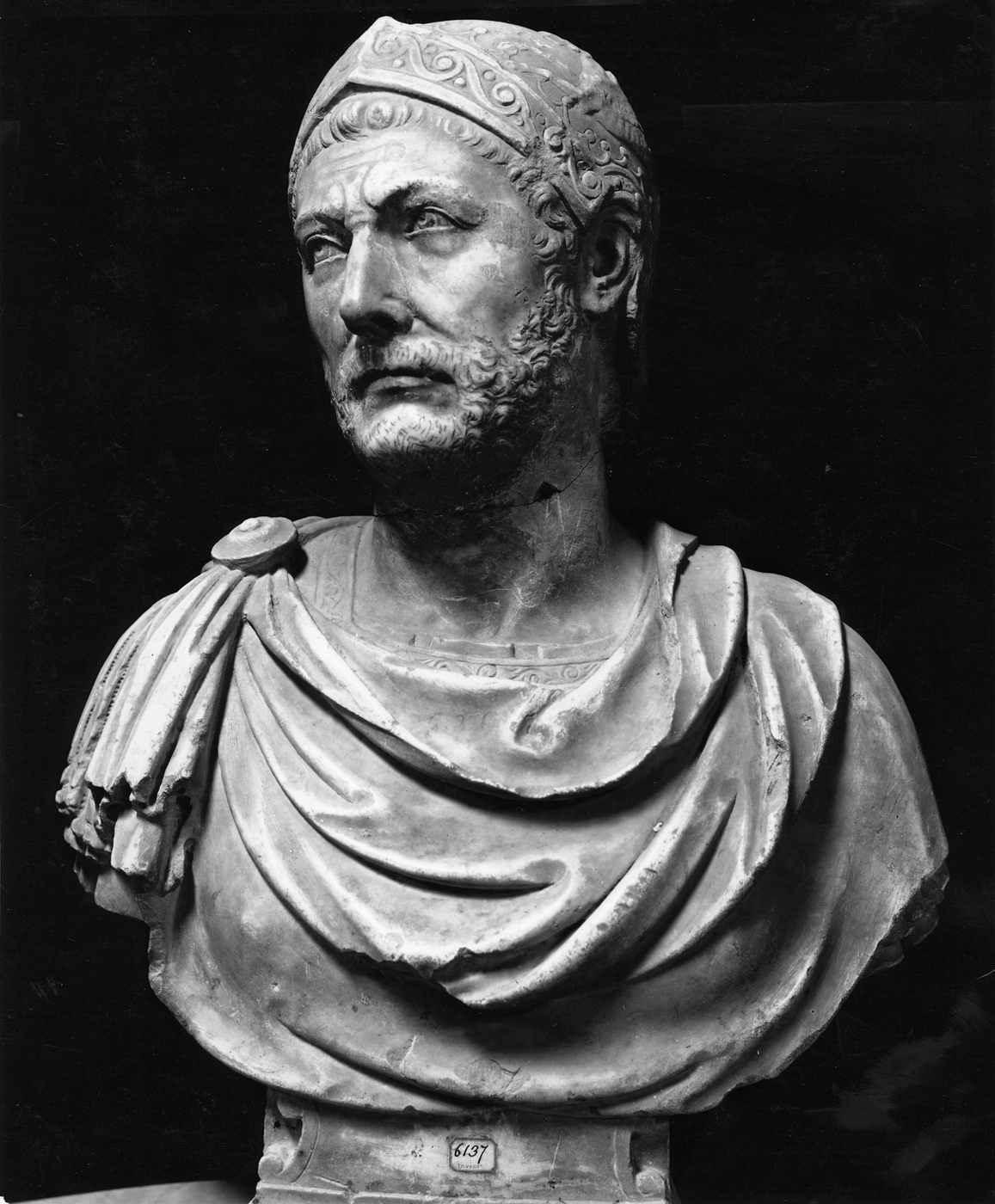
According to Livy, Hannibal swore as a boy never to be a friend of Rome. In 218 BCE he led an army with war elephants from Spain across the Alps into Italy, and at Cannae in 216 BCE encircled and destroyed a much larger Roman army, a battle still studied in military academies.

Yet he never took Rome. Livy has his cavalry commander Maharbal tell him: “You know how to win a victory, Hannibal, but not how to use one” (Livy 22.51). Rome recovered, and Carthage lost the war.

The lesson: brilliance in the moment is not the same as wisdom over time. Winning a battle and achieving a purpose are different things.

The Capua bust, long believed to depict Hannibal, photographed by Fratelli Alinari — public domain

Genghis Khan

Genghis Khan

c. 1162–1227

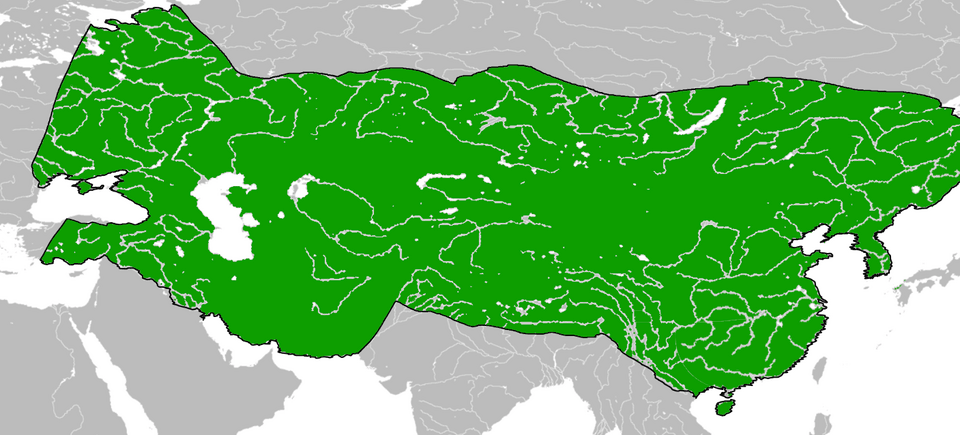
Born Temüjin into a world of feuding steppe clans, he rose from poverty and exile to unite the Mongols in 1206 as Genghis Khan. His armies conquered more territory than any before them, often with terrible slaughter. He promoted people by ability rather than birth, and tolerated the religions of the peoples he ruled.

The Secret History of the Mongols, written soon after his death, is the closest source we have to his own world. Many sayings now quoted as his come from much later chroniclers.

Map of the expansion of the Mongol Empire

Map: Tiashing595, Wikimedia Commons — CC0

The lesson: loyalty and merit can build something vast, but power built on fear rarely outlives its founder unchanged. Within two generations the empire had split into rival khanates.

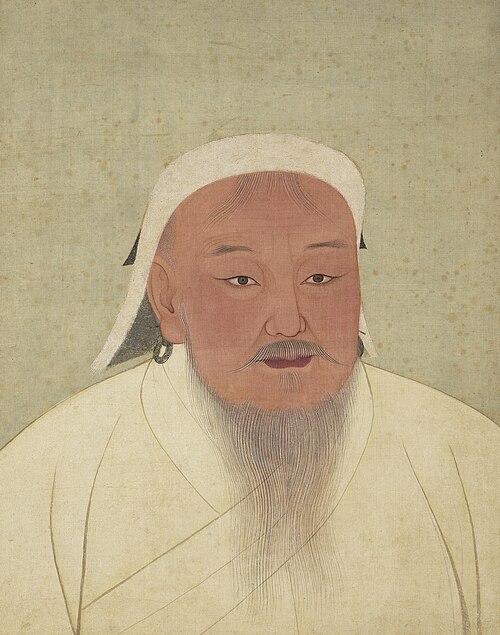
Yuan dynasty album portrait, National Palace Museum, Taipei — public domain

Chhatrapati Shivaji Maharaj

Chhatrapati Shivaji Maharaj

1630–1680

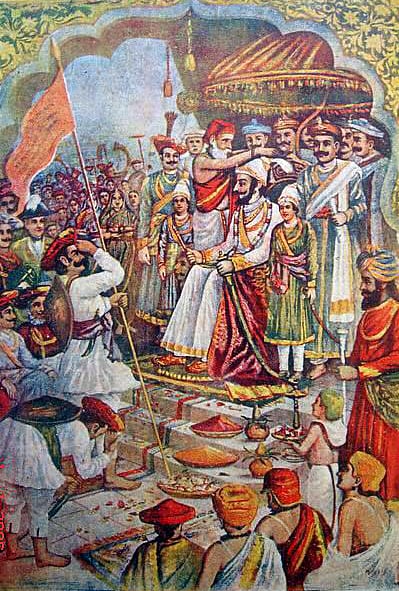
From a handful of hill forts in the Sahyadri mountains, Shivaji built an independent Maratha state against the Mughal empire and the Deccan sultanates. He relied on swift guerrilla tactics, a chain of forts and one of India's first navies, and was crowned Chhatrapati at Raigad in 1674.

He governed with a council of eight ministers, the Ashta Pradhan, and is remembered for respecting the faiths and places of worship of his subjects. His ideal of swarajya, self-rule, later inspired the Indian independence movement.

The lesson: a small, determined force with a clear purpose and a deep knowledge of its own ground can stand up to an empire. Strategy, as Chanakya taught, begins with knowing your own strengths.

“The coronation of Shri Shivaji”, Chitrashala Press, early 1900s — public domain

The warrior and the philosopher

The traditions have never settled whether the warrior's path is admirable. The Bhagavad Gita, spoken on a battlefield, tells Arjuna to fight without attachment to the fruits of action (2.47). The Stoics, from the slave Epictetus to the emperor Marcus Aurelius, admired the soldier's courage while warning that the only victory worth having is over oneself. The Buddha put it most sharply:

“If one man conquer in battle a thousand times thousand men, and if another conquer himself, he is the greatest of conquerors.”Dhammapada 103 (tr. Max Müller)

See how real dilemmas of duty play out in Arjuna's Dilemma, or try the Courage journey.

Further Reading

Battle of Thermopylae · Battle of Cannae · The Secret History of the Mongols · Shivaji on Wikipedia