Frameworks for living well, from Stoic discipline to existential freedom.

Focuses on personal virtue, emotional resilience, and accepting the natural order of things.
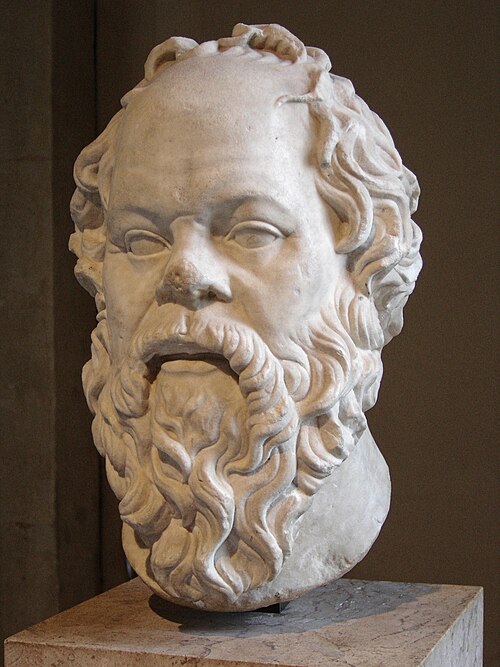
Emphasizes critical thinking and questioning assumptions.

Emphasizes individual freedom, choice, and the inherent lack of intrinsic meaning in life.

Prioritizes reason as the chief source of knowledge (e.g., Descartes' “I think, therefore I am”).

Emphasizing direct perception as the only valid source of knowledge and advocating a life focused on pleasure and practical well-being.
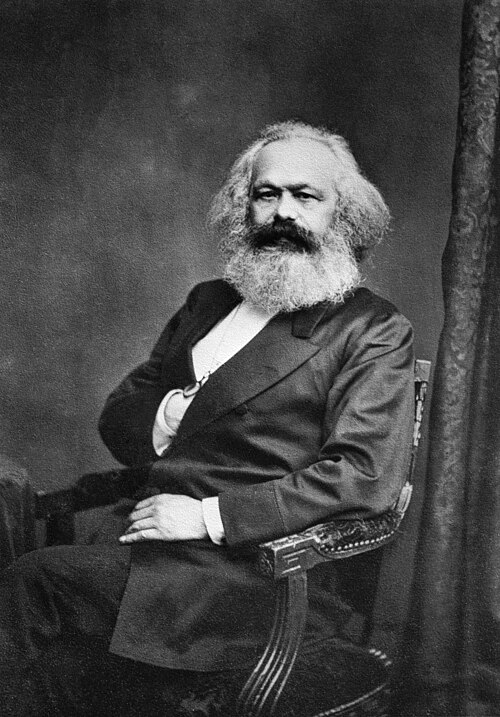
Explores the development of human consciousness, history, and the critique of capitalism through class struggle.

Niyati — all events, including human actions and salvation, are entirely preordained and cannot be altered by free will or personal effort.

Centers on moral cultivation, filial piety, and social harmony through proper conduct and respect for ritual.

Holds that moral or political truths are fixed and universal, unchanged by culture, circumstance, or individual opinion.
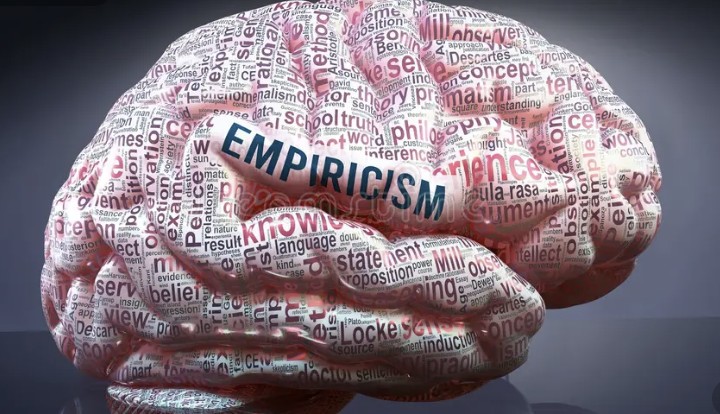
Grounds all knowledge in sensory experience and observation, rejecting innate ideas as the basis of understanding.
