
Darshniks

You Are Not the First

✦ 16 lives · 14 struggles · every quote sourced ✦

Grief, failure, exile, fear. The people we call wise lived through all of it, and left words behind.

Seneca Rabindranath Tagore Marcus Aurelius Confucius The Buddha B. R. Ambedkar Mahatma Gandhi Epictetus Rumi Friedrich Nietzsche Epicurus Baruch Spinoza Socrates Augustine Albert Camus Kabir

What are you carrying right now?

I lost someone I loveSeneca, Tagore, Marcus Aurelius I failed at what matteredConfucius, The Buddha I was humiliatedAmbedkar, Gandhi, Epictetus I had to leave homeSeneca, Rumi I’m ill or in painNietzsche, Epicurus Someone shut me outSpinoza, Rumi I’m afraid of dyingSocrates, Marcus Aurelius, The Buddha I’m at war with myselfAugustine, Gandhi Someone betrayed or hurt meMarcus Aurelius, Gandhi, Socrates My work feels meaninglessCamus, Marcus Aurelius I’m struggling to get byConfucius, Epicurus No one understands meNietzsche, Kabir It feels too late for meTagore, Epicurus I’m afraid of what’s comingSeneca, Epictetus

Every story here is documented history, and every quote is checked against its source. If you are in crisis, please also reach out to someone you trust or a local helpline.

I lost someone I love

You are not the first to lose someone you love.

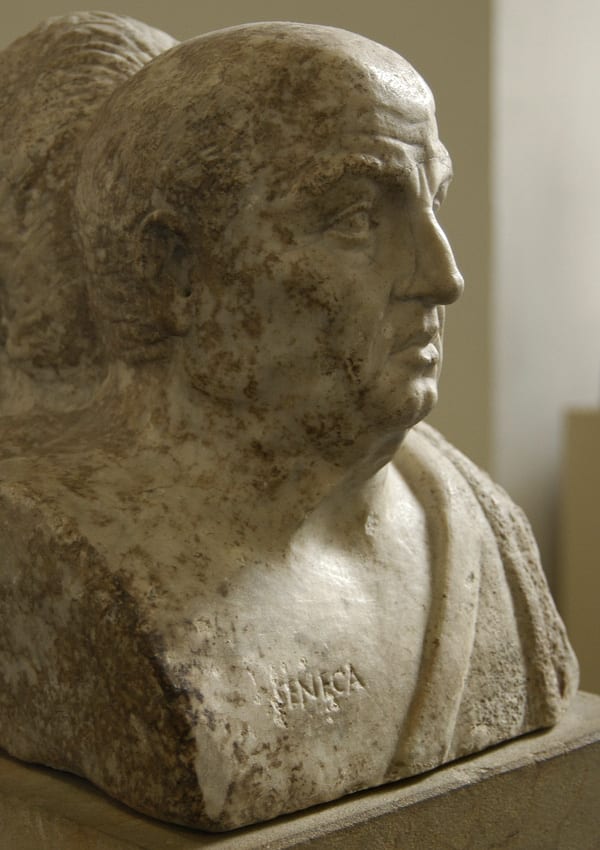
Seneca

Seneca

What happened

Weeks before Seneca was sent into exile, his young son died — in his grandmother’s arms, as he later wrote to his mother.

In their words

“Let not the eyes be dry when we have lost a friend, nor let them overflow. We may weep, but we must not wail.”Letters to Lucilius 63.1

What they did

He never told friends not to grieve. He told them to weep, and then, slowly, to let memory turn into gratitude: to make the recollection of the dead “a pleasant memory” (Letter 63.4).

Try today: Let yourself cry. Then tell someone one happy story about the person you miss.

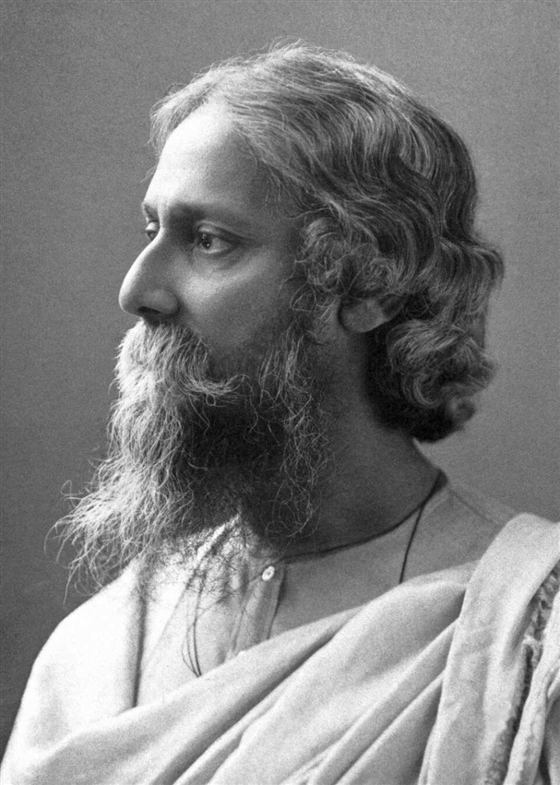
Rabindranath Tagore

Rabindranath Tagore

What happened

Between 1902 and 1907 Tagore lost his wife, his daughter Renuka, his father and his youngest son, Shamindranath.

In their words

“Thou hast made me endless, such is thy pleasure. This frail vessel thou emptiest again and again, and fillest it ever with fresh life.”Gitanjali, 1 (1912)

What they did

He kept teaching at his school in Santiniketan and kept writing songs. Out of those years came Gitanjali, the collection that won him the Nobel Prize in 1913.

Try today: Make something in their memory: a letter, a meal, a song, a garden.

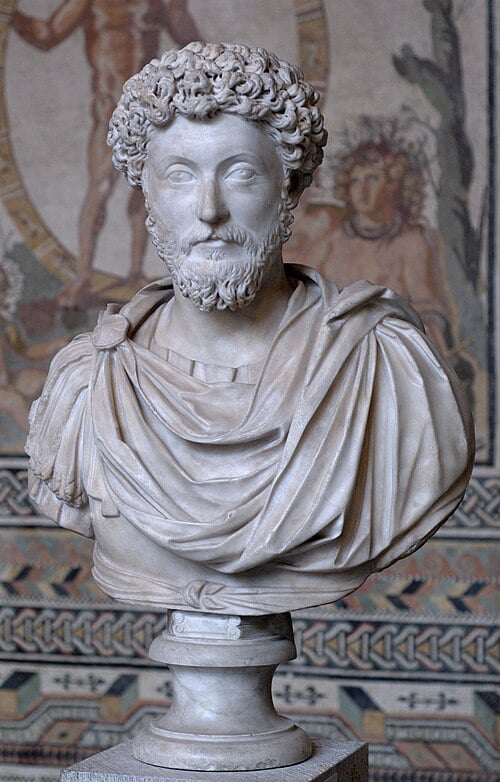
Marcus Aurelius

Marcus Aurelius

What happened

Marcus and his wife Faustina had at least thirteen children. Most died young; of his sons, only Commodus outlived him.

In their words

“Loss is nothing else but change, and change is Nature’s delight.”Meditations 9.35

What they did

He wrote to himself, late at night in army camps, reminding himself that everything he loved was on loan, and he went on with his work.

Try today: Write down one thing the person you lost gave you that you still carry.

They did not escape what happened to them. They found a way to carry it. What will you carry forward from them?

Write it in your private journal · Choose something else

I failed at what mattered

You are not the first to fail at the thing that mattered most.

Confucius

Confucius

What happened

Confucius wanted a ruler to put his ideas into practice. For about fourteen years he travelled from state to state with his students; no ruler employed him for long. He went home in his late sixties without the office he had sought.

In their words

“If there want but one basket of earth to complete the work, and I stop, the stopping is my own work.”Analects 9.18

What they did

He spent his last years teaching. His students, not any government post, carried his ideas through more than two thousand years.

Try today: Name the one basket of earth you can still carry this week, and carry it.

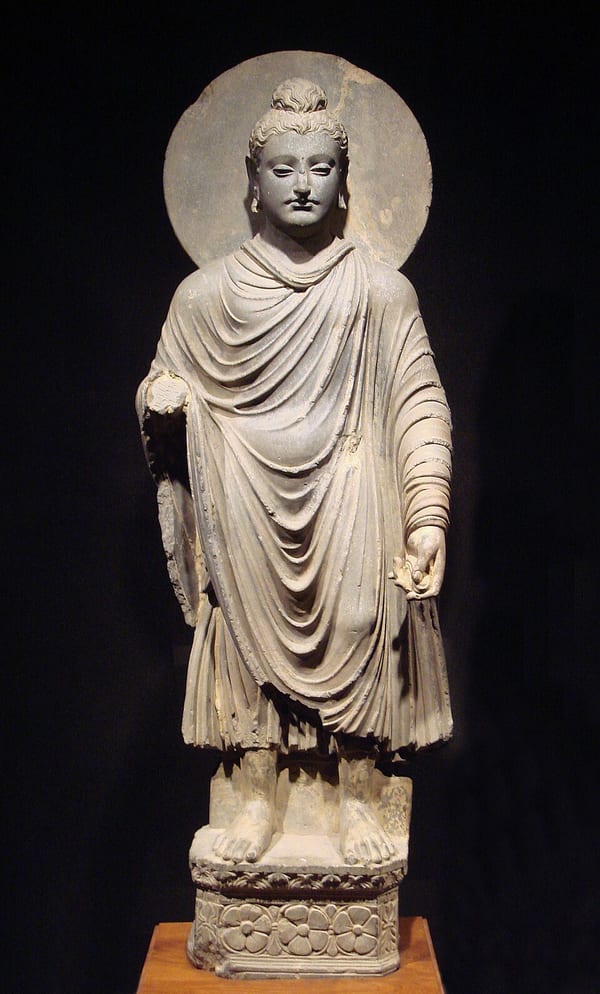
The Buddha

The Buddha

What happened

For years he tried extreme fasting and self-punishment, until, the texts say, he could feel his spine through his stomach. It did not work. When he gave it up and ate again, his five companions left him, sure he had given up.

In their words

“You yourselves must do the work, the Realized Ones just show the way.”Dhammapada 276 (tr. Bhikkhu Sujato)

What they did

He did not give up the goal, only the method. He sat down under a tree with a gentler approach, the middle way, and that is where his awakening came.

Try today: Ask honestly: is the method the problem, rather than me?

They did not escape what happened to them. They found a way to carry it. What will you carry forward from them?

Write it in your private journal · Choose something else

I was humiliated

You are not the first to be treated as less than you are.

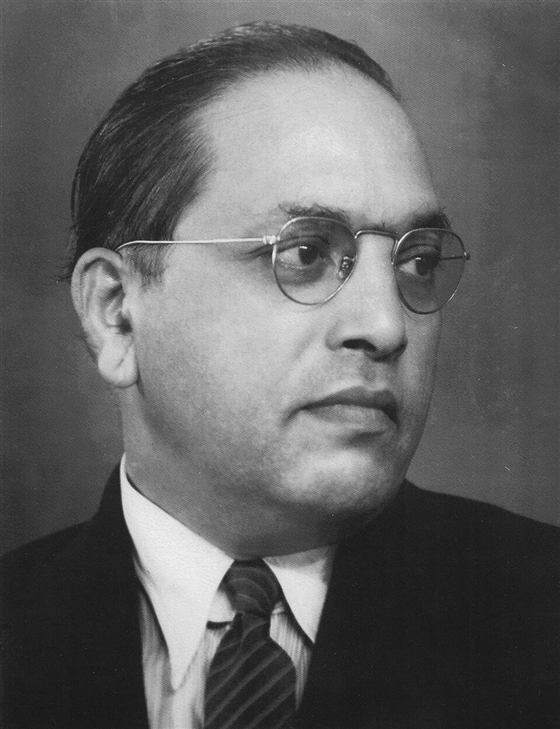
B. R. Ambedkar

B. R. Ambedkar

What happened

As a schoolboy Ambedkar had to sit on a sack he brought from home, and he could drink water only if a higher-caste servant poured it for him. When no one was there, he went without.

In their words

“Political tyranny is nothing compared to social tyranny and a reformer, who defies society, is a much more courageous man than a politician, who defies Government.”Annihilation of Caste (1936)

What they did

He studied until he held doctorates from Columbia and the London School of Economics, then chaired the committee that drafted India’s Constitution, which abolished untouchability.

Try today: Use the hurt as information: what would you change so that no one else has to feel it?

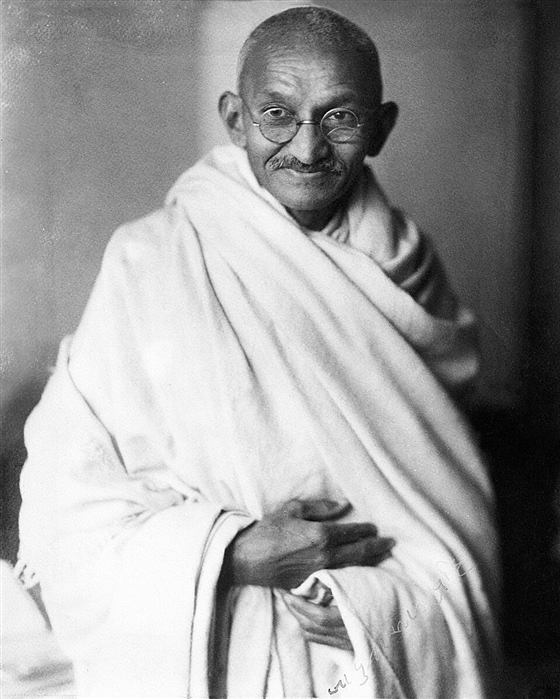
Mahatma Gandhi

Mahatma Gandhi

What happened

In June 1893, a young lawyer with a first-class ticket, Gandhi was put off a train at Pietermaritzburg in South Africa because he was not white. He spent the night in the freezing waiting room.

In their words

“Passive resistance is a method of securing rights by personal suffering; it is the reverse of resistance by arms.”Hind Swaraj (1909), ch. XVII

What they did

He decided that night to stay and resist. He spent twenty-one years in South Africa organising Indians against unjust laws, without violence.

Try today: Decide two things: what you will no longer accept, and what you will not do in return.

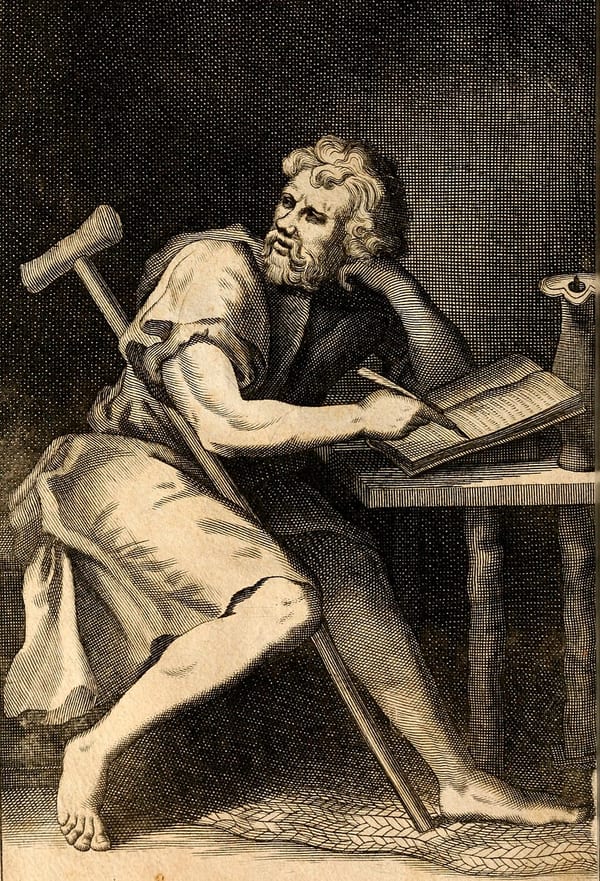
Epictetus

Epictetus

What happened

Epictetus was born a slave and was owned by Epaphroditus, a secretary of the emperor Nero. He was lame for the rest of his life.

In their words

“Remember that it is not he who gives abuse or blows, who affronts, but the view we take of these things as insulting.”Enchiridion 20

What they did

He was later freed and taught philosophy in Rome. When the emperor Domitian banished philosophers, around 93 CE, he founded a school at Nicopolis in Greece that students travelled far to attend.

Try today: The next time someone insults you, notice the gap between their words and your judgement of them.

They did not escape what happened to them. They found a way to carry it. What will you carry forward from them?

Write it in your private journal · Choose something else

I had to leave home

You are not the first to lose the place you belonged.

Seneca

Seneca

What happened

In 41 CE the emperor Claudius exiled Seneca to Corsica, then a rough and lonely island. He was there for eight years.

In their words

“You need a change of soul rather than a change of climate.”Letters to Lucilius 28.1

What they did

He studied, wrote, and sent his mother a letter consoling her for his own exile. In 49 CE he was recalled to Rome.

Try today: Find one thing in the place you are now that you would miss if you left it.

Rumi

Rumi

What happened

As a boy Rumi left his birthplace in Central Asia with his family, ahead of the Mongol invasions. They travelled for years before settling in Konya, in what is now Turkey.

In their words

“Every one who is left far from his source wishes back the time when he was united with it.”Masnavi I.4 (tr. R. A. Nicholson)

What they did

Konya became home. He taught there all his life, and turned the longing for a lost home into the opening of his greatest poem, the Masnavi.

Try today: Write down what you brought with you that no one can take: a language, a recipe, a song, a way of seeing.

They did not escape what happened to them. They found a way to carry it. What will you carry forward from them?

Write it in your private journal · Choose something else

I’m ill or in pain

You are not the first to live with a body that hurts.

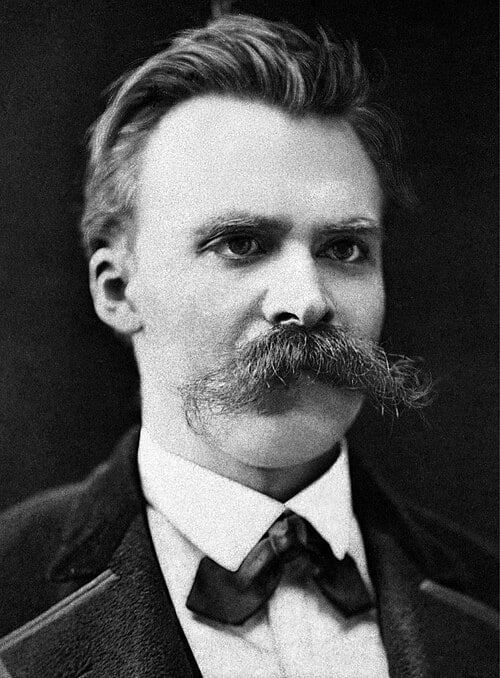
Friedrich Nietzsche

Friedrich Nietzsche

What happened

For most of his adult life Nietzsche suffered crippling headaches, nausea and failing eyesight. In 1879, aged thirty-four, illness forced him to give up his professorship at Basel.

In their words

“What does not kill me makes me stronger.”Twilight of the Idols (1888), “Maxims and Arrows” 8

What they did

He lived simply, walked for hours in the mountains, and wrote in the spells between attacks. Nearly all his major books came after he left Basel.

Try today: On a bad day, do one small thing you value. Then rest without guilt.

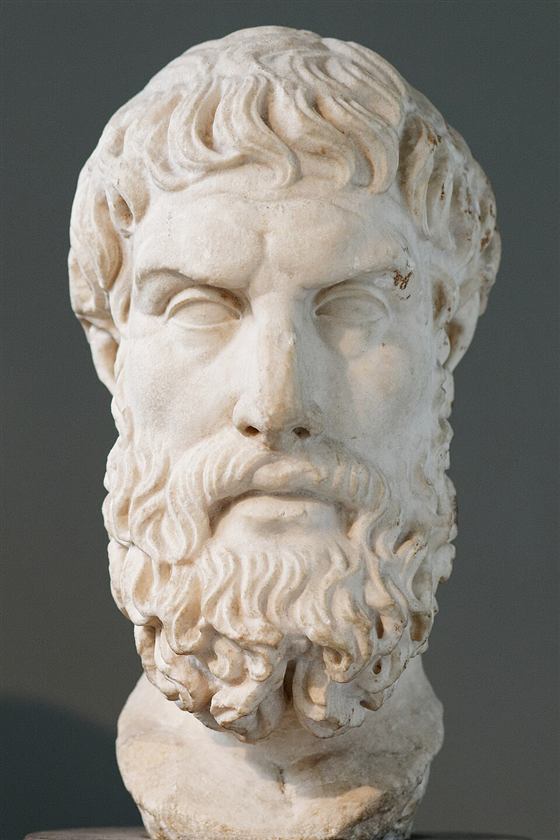
Epicurus

Epicurus

What happened

Epicurus died of a painful illness, kidney stones, after about two weeks of suffering. On his last day he wrote to a friend that the pain was matched by the joy of remembering their conversations.

In their words

“Of all the means which are procured by wisdom to ensure happiness throughout the whole of life, by far the most important is the acquisition of friends.”Principal Doctrines 27

What they did

He turned his mind, deliberately, to good memories and to the people he loved.

Try today: Call or write to someone you have shared good conversations with.

They did not escape what happened to them. They found a way to carry it. What will you carry forward from them?

Write it in your private journal · Choose something else

Someone shut me out

You are not the first to be pushed away by people who mattered.

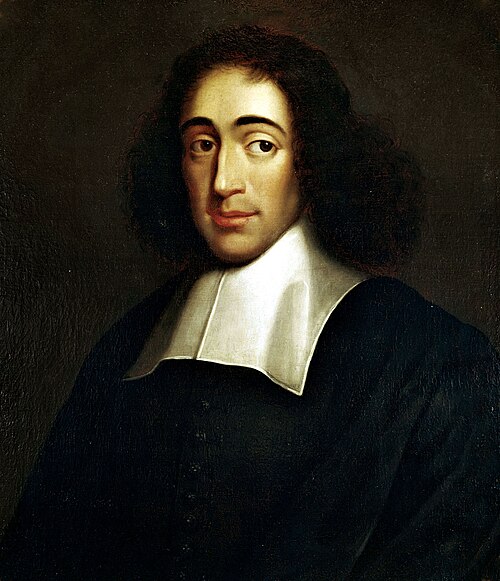
Baruch Spinoza

Baruch Spinoza

What happened

In 1656, at twenty-three, Spinoza was expelled from Amsterdam’s Jewish community with one of its harshest curses. Members were forbidden to speak with him.

In their words

“But all things excellent are as difficult as they are rare.”Ethics, Part V, Proposition 42, note (tr. Elwes)

What they did

He lived quietly, grinding lenses for a living, and wrote the Ethics. When Heidelberg offered him a professorship in 1673, he declined it to keep his freedom to think.

Try today: Write down what remains yours when others turn away: your work, your values, your mind.

Rumi

Rumi

What happened

In 1244 Rumi met the wandering dervish Shams of Tabriz, and the friendship transformed him. Rumi’s students resented Shams; within a few years Shams vanished and never returned.

In their words

“Listen to the reed, how it tells a tale, complaining of separations.”Masnavi I.1 (tr. R. A. Nicholson)

What they did

He poured the loss into poetry: thousands of verses, many signed with Shams’s name instead of his own.

Try today: Let yourself say, in words or on paper, exactly what you miss.

They did not escape what happened to them. They found a way to carry it. What will you carry forward from them?

Write it in your private journal · Choose something else

I’m afraid of dying

You are not the first to look death in the face.

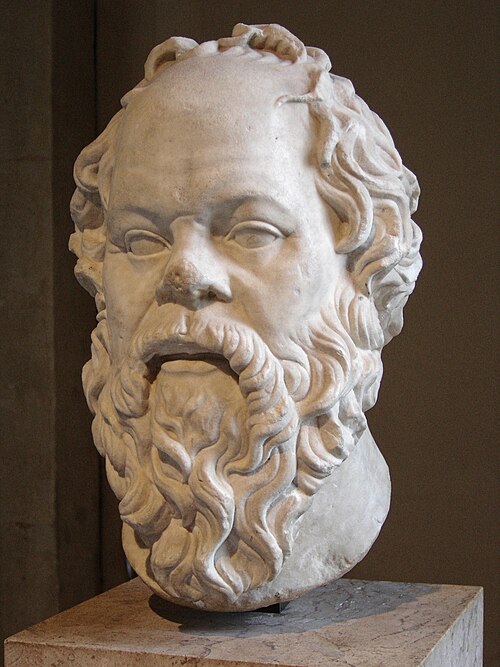
Socrates

Socrates

What happened

In 399 BCE, at about seventy, Socrates was condemned to death by an Athenian jury. Friends arranged his escape; he refused it.

In their words

“The hour of departure has arrived, and we go our ways — I to die, and you to live. Which is better, God only knows.”Plato, Apology 42a

What they did

He spent his last day talking with his friends about whether the soul survives, then drank the hemlock calmly (Plato, Phaedo).

Try today: Spend an hour today with someone you love, talking about something that matters.

Marcus Aurelius

Marcus Aurelius

What happened

Marcus ruled through the Antonine Plague, which killed huge numbers across the empire, and spent years on campaign at the frontier. He may have died of the plague himself.

In their words

“Do not act as if you were going to live ten thousand years. Death hangs over you. While you live, while it is in your power, be good.”Meditations 4.17

What they did

He used the thought of death not to despair but to sort what mattered from what didn’t, every single day.

Try today: Ask: if this were my last year, what would I stop doing? Stop one of those things.

The Buddha

The Buddha

What happened

At eighty, ill after a meal, the Buddha knew he was dying. He lay down between two trees and spent his last hours answering his monks’ questions.

In their words

“Heedfulness is the state free of death; heedlessness is the state of death.”Dhammapada 21 (tr. Bhikkhu Sujato)

What they did

His last words, as the texts record them, were a reminder that all things pass, and an encouragement to keep practising with care.

Try today: Do one ordinary thing today — washing, walking, eating — with complete attention.

They did not escape what happened to them. They found a way to carry it. What will you carry forward from them?

Write it in your private journal · Choose something else

I’m at war with myself

You are not the first to want one thing and do another.

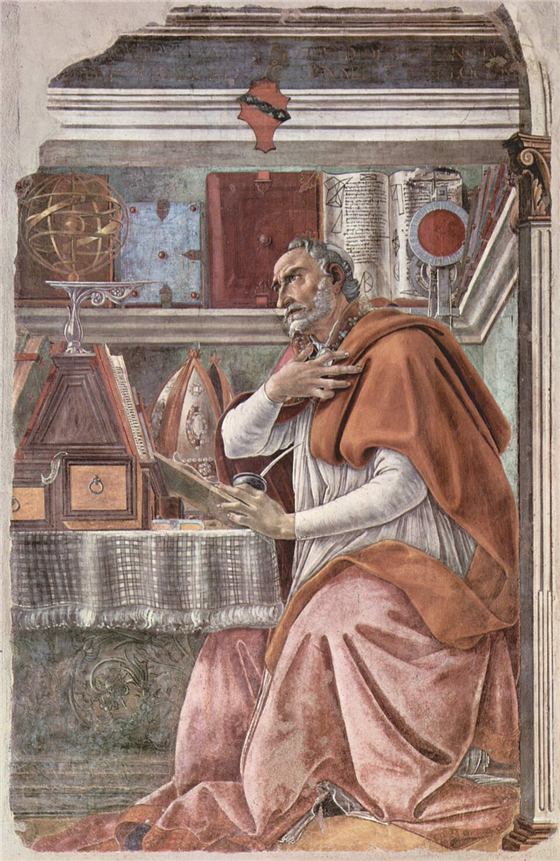
Augustine

Augustine

What happened

For years Augustine knew how he wanted to live and could not do it. He describes himself in a garden in Milan, aged thirty-one, weeping in frustration at his own divided will.

In their words

“Give me chastity and continency, only not yet.”Confessions VIII.7 (tr. Pusey)

What they did

He stopped pretending. He wrote the whole struggle down honestly in the Confessions, and the honesty itself became the turning point.

Try today: Write down, without excuses, the one thing you keep putting off. Seeing it plainly is the first step.

Mahatma Gandhi

Mahatma Gandhi

What happened

As a teenager Gandhi secretly ate meat, smoked, and stole a piece of gold from his brother to pay a debt — all things he believed were wrong.

In their words

“Real home-rule is self-rule or self-control.”Hind Swaraj (1909), ch. XX

What they did

He wrote a full confession and handed it to his sick father, who read it and wept without a word of anger. Gandhi later wrote that those tears were his first real lesson in ahimsa, the power of love.

Try today: Tell one person you trust about a mistake you have been hiding.

They did not escape what happened to them. They found a way to carry it. What will you carry forward from them?

Write it in your private journal · Choose something else

Someone betrayed or hurt me

You are not the first to be wronged by someone you trusted.

Marcus Aurelius

Marcus Aurelius

What happened

In 175 CE Avidius Cassius, one of Marcus’s most trusted generals, declared himself emperor on a false report that Marcus had died. Within three months Cassius was killed by his own officers.

In their words

“The best way of avenging yourself is not to become like the wrongdoer.”Meditations 6.6

What they did

According to the ancient historians, he was sorry to have lost the chance to pardon Cassius, treated the rebels mildly, and had Cassius’s letters burned unread so he would not learn who else had turned against him.

Try today: Decide one thing you will not do in return, however much you are tempted.

Mahatma Gandhi

Mahatma Gandhi

What happened

In January 1897, as he came ashore at Durban, a white mob attacked Gandhi, beating and kicking him until the police superintendent’s wife shielded him with her umbrella.

In their words

“The weak can never forgive. Forgiveness is the attribute of the strong.”Young India, 2 April 1931

What they did

Asked to identify his attackers, he refused to bring any charges, saying they had been misled and would be sorry once they knew the truth.

Try today: Write down what you want from the person who hurt you: an apology, distance, justice, or simply to stop thinking about them.

Socrates

Socrates

What happened

Athens, the city Socrates had served as a soldier and citizen all his life, put him on trial and condemned him to death.

In their words

“It is never right to do wrong or to requite wrong with wrong, or when we suffer evil to defend ourselves by doing evil in return.”Plato’s Crito, 49c-d

What they did

Offered an escape, he refused it, because breaking the city’s laws in return would have made him what he had been falsely accused of being.

Try today: Notice the urge to get even, and let it pass without acting on it, just once.

They did not escape what happened to them. They found a way to carry it. What will you carry forward from them?

Write it in your private journal · Choose something else

My work feels meaningless

You are not the first to wonder what the daily grind is for.

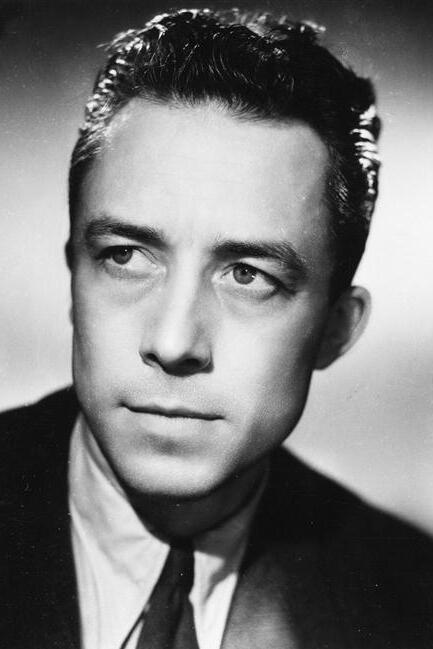
Albert Camus

Albert Camus

What happened

Camus grew up poor in Algiers, where his mother worked as a cleaner, and as a young man he took a string of ordinary jobs, including office clerk, to get by.

In their words

“One must imagine Sisyphus happy.”The Myth of Sisyphus (1942)

What they did

He wrote about Sisyphus, condemned to push a rock uphill forever, and argued that the struggle itself can fill a person’s heart, if they meet it with open eyes instead of despair.

Try today: Pick one repetitive task today and do it fully awake, as if it were your rock.

Marcus Aurelius

Marcus Aurelius

What happened

Chosen as heir while still a teenager, Marcus spent nineteen years as emperor hearing petitions, judging cases and fighting wars on the Danube frontier. It was a life he had not chosen; he loved philosophy more.

In their words

“Begin the morning by saying to yourself: I shall meet with the busybody, the ungrateful, the arrogant, the deceitful, the envious, the unsocial.”Meditations 2.1

What they did

Each morning he prepared himself for difficult people and reminded himself that he was born to work with others, not against them.

Try today: Before work, name one person your work helps, however indirectly.

They did not escape what happened to them. They found a way to carry it. What will you carry forward from them?

Write it in your private journal · Choose something else

I’m struggling to get by

You are not the first to wonder how you will get through the month.

Confucius

Confucius

What happened

Travelling through the state of Chen, Confucius and his students ran out of food. The students grew so weak they could not get up, and one of them asked him angrily whether a good man should have to endure such want.

In their words

“The superior man can endure want; the mean man, when in want, gives way to unbridled license.”Analects 15.2

What they did

He kept teaching, and kept his dignity. Hardship, he said, does not decide who you are; what you do in it does.

Try today: Write one sentence about who you are that has nothing to do with what you own.

Epicurus

Epicurus

What happened

Epicurus and his friends lived simply in their Garden outside Athens. He said he was content with bread and water, and once asked a friend for a little pot of cheese so that he could have a feast.

In their words

“Nature’s wealth at once has its bounds and is easy to procure; but the wealth of vain fancies recedes to an infinite distance.”Principal Doctrines 15

What they did

He separated what we need from what we are told we need, and found that the first list is short.

Try today: List what you truly need this week, and what you only want. Notice how short the first list is.

They did not escape what happened to them. They found a way to carry it. What will you carry forward from them?

Write it in your private journal · Choose something else

No one understands me

You are not the first to be ignored or misread.

Friedrich Nietzsche

Friedrich Nietzsche

What happened

Nietzsche’s books sold so poorly that he paid to print the last part of Thus Spoke Zarathustra himself, in a few dozen copies, and could find only a handful of people to give them to.

In their words

“What does your conscience say? — “You shall become the person you are.””The Gay Science, §270

What they did

He kept writing anyway, for readers he believed would come later. Within a decade of his collapse, he was one of the most read philosophers in Europe.

Try today: Write down one thing you believe that you would keep believing even if no one ever agreed.

Kabir

Kabir

What happened

A weaver of low caste who mocked Hindu priests and Muslim clerics alike, Kabir offended the religious authorities of both. A famous legend says that when he died, Hindus and Muslims quarrelled over his body.

In their words

“It is needless to ask of a saint the caste to which he belongs.”Songs of Kabir II (tr. Rabindranath Tagore, 1915)

What they did

He kept singing in the plain language of ordinary people. His songs outlived his critics and are now sung by Hindus, Muslims and Sikhs alike.

Try today: Say plainly, to one person, something true you have been keeping to yourself.

They did not escape what happened to them. They found a way to carry it. What will you carry forward from them?

Write it in your private journal · Choose something else

It feels too late for me

You are not the first to wonder whether it is too late to begin.

Rabindranath Tagore

Rabindranath Tagore

What happened

Already a world-famous poet, Tagore began painting seriously in his sixties. In the last years of his life he made more than two thousand paintings and drawings, and his first exhibition opened in Paris in 1930, when he was sixty-eight.

In their words

“Let life be beautiful like summer flowers and death like autumn leaves.”Stray Birds, 82 (1916)

What they did

He started with the doodles he made while crossing out words in his manuscripts, and let them grow into pictures.

Try today: Spend twenty minutes today on something you always wanted to try, badly, just to begin.

Epicurus

Epicurus

What happened

Epicurus did not open his school in Athens, the Garden, until he was about thirty-five, after years of teaching in smaller cities. He welcomed students of every age, including women and slaves.

In their words

“Let no one be slow to seek wisdom when he is young nor weary in the search thereof when he is grown old.”Letter to Menoeceus 122

What they did

He taught that the right time to care for your soul is now, at whatever age now happens to be.

Try today: Write down the thing you think it is too late for, and one small step toward it you could take this month.

They did not escape what happened to them. They found a way to carry it. What will you carry forward from them?

Write it in your private journal · Choose something else

I’m afraid of what’s coming

You are not the first to lie awake over what might happen.

Seneca

Seneca

What happened

Seneca wrote his letters in his last years, after withdrawing from the court of Nero, knowing the emperor might turn on him at any moment. In 65 CE he did.

In their words

“There are more things, Lucilius, likely to frighten us than there are to crush us; we suffer more often in imagination than in reality.”Letters to Lucilius 13.4

What they did

He practised looking straight at each fear and asking whether it was certain, or only possible.

Try today: Write down the thing you fear, then beside it: how likely is it, really, and what would you do if it came?

Epictetus

Epictetus

What happened

Born into slavery, Epictetus spent his early life unable to choose almost anything about it.

In their words

“There are things which are within our power, and there are things which are beyond our power.”Enchiridion 1

What they did

He built his whole teaching on that line: put your effort into what is yours to decide, and let the rest go.

Try today: Divide a page in two: what I can do about this, and what I can’t. Act on the first column only.

They did not escape what happened to them. They found a way to carry it. What will you carry forward from them?

Write it in your private journal · Choose something else